

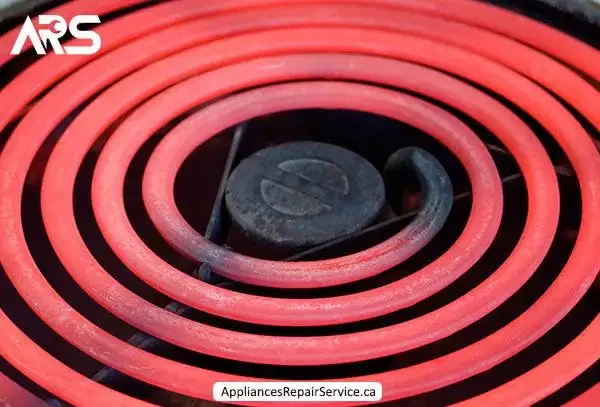
The heating element is an insulated coil or metal shell that generates heat through electrical resistance to achieve the desired temperature. Each element is supported by its own switch, and the switch on the heater sends a message to the thermostat about the heat temperature. Ranges and stoves are equipped with conventional burners and radiators. Radiation burners sit on ceramic surfaces that are designed for better heat distribution. They are designed to maximize heat through air control.
The desired degree of heat is controlled by switching the thermostat on or off. This type of switch is an electric range switch or infinite heat switch that pulses a current through the heating element to maintain the correct heat level. The switch controls the thermostat on / off to control the level of the desired temperature.
In your operating instructions you will find instructions on how to remove and replace the heater. The heating element should be inserted into the back of the oven and fixed with a few screws. Turn off the oven, turn off the breaker and carry out the repair. If the burner goes out of the furnace and does not heat up, the problem can be a dirty or defective igniter.
Gas and electric stoves usually have a temperature sensor, a thin tube a few centimetres long, located in the upper rear part of the oven. The sensor can be pushed down during cooking or cleaning or pressed against the wall outside the oven, which can lead to irregular cooking times. The problem with the sensor cannot be solved if it is defective. If the cause is not the correct temperature, you should check and replace the heating element, the gas igniter and the sensor, as it needs to be calibrated. This can be done by bending the sensor against the wall, the oven or the furnace itself.
To check and repair the accuracy of the oven, you will need an oven thermometer. To fix this, preheat the oven and run a visual rapid test to see if the heater glows red and check the temperature sensor resistance to rising temperatures in the oven. If this is the reason why the stove does not heat and does not have the correct temperature, you should check the heating elements and the temperature sensor. If so, replacing the temperature sensors is a quick and simple solution that you can manufacture yourself.
If you have a new throttle range, check the throttle position. Most electric ovens have two heating elements, one at the top for the grill function and one at the bottom for the baking function. Now that you have checked the basics and your oven is not working as well as your stove, it is time to check your oven yourself. Caution: Before you check, make sure your stove is cool and not connected.
If you notice that your electric or gas stove does not heat anymore or it doesn’t heat to the correct temperature. Or if the food doesn’t comes out properly cooked, than it’s time to get your stove fixed. There are many causes for a faulty stove. Such as the coil or thermostat, etc.
There may be many issues that need to be checked to fix the problem with your stop not heating problem. We help you get this resolved quickly. The thermostat measures the temperature of the furnace and switches electrical elements to maintain the desired temperature. Test the heating element, a bent rod at the bottom of the furnace. Turn the stove on, and as the stove heats up, watch it closely. If it does not start to glow red, it should be replaced.
Check the detonator for discoloration of the coil elements, which may differ from other detonators. This is a sign of a faulty igniter. We replace and fix all types and models of any broken stove parts. For the best assistance, the model and serial number can be found on the back, side or front of the stove or oven. With this number our technicians get your stove back to like new with genuine quality parts straight from the manufacturer.
Our technicians at ARS, service all makes and models of broken stoves no matter if it is gas or electric. We provide you with the best quality repair and service to fix any problem with your stove. To help you solve some of the most common problems with your stove not heating follow some of these tips.
One of the most common reasons why gas stoves do not ignite is that the igniter is dirty. Use a toothbrush to scrub it clean. If you feel comfortable you can also try cleaning the pilot hole before setting the stove on fire 🔥. Remove the oven rack or large metal plate from the bottom of the oven. This exposes the gas burners and detonators.
If the burner does not fit correctly or the ignitors do not make full contact with the electrical elements, it cannot heat properly. A similar problem is the lack of alignment between the dirty layer and the combustion parts itself. To fix this, slide your flashlight into the outlet, remove it and attach it to the outlet with a firm motion.
The connection is fired by the tines of the socket. If the stove does not heat, the most likely problem is a faulty heating element. The electrical element in the burner may not be as deeply rooted. The socket on which the burner rests can drip into the pan.
An electric oven has two elements, one at the top for baking and one at the bottom for frying. If your oven is not hot enough, look at the top element. The second element is the grill. If your stove looks normal, it’s time to get your hands dirty. Open your stove and use a flashlight to inspect it. Any stains or what looks like blisters or cracks may indicate that you need to replace your stove with a new one.
If you tried everything and you still can’t get your stove to start heating, call our expert stove technicians at ARS Repair Service today! 8664153937
Stove Not Heating? We can help.
Book Stove Service Call 1-866-415-3937
ARS Appliance Repair Service has been trusted across Toronto, Ottawa, and Southern Ontario for over a decade. Our licensed, manufacturer-authorized technicians specialize in repairing all major household and commercial appliances with genuine parts and warranty-backed service. From refrigerators and washers to ovens, dishwashers, and more, we restore appliances quickly, professionally, and correctly the first time, earning the confidence of homeowners and businesses throughout the region.