

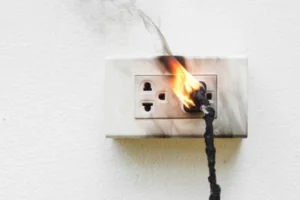
Electricity powers almost everything in a modern home. It is convenient, but damaged wiring or misused appliances can cause shocks or fires.
This post focuses on practical electrical safety in the kitchen and laundry room.
At ARS Appliances Repair Services, safety guides how we work. We have served Southern Ontario and Ottawa for more than a decade.
Use the checklists below between professional service visits.
Electrical Safety Tips and Their Application in Appliance Repair
- Cut the Power:
- Always disconnect appliances from power sources before maintenance.
- Test outlets and switches to ensure they are not receiving electricity.
- ARS technicians prioritize safety by cutting power before conducting repairs.
- Know Electrical Fire Safety:
- Never use water to extinguish electrical fires; use a C-rated fire extinguisher.
- ARS emphasizes fire safety protocols during appliance repairs.
- Don’t Overload Outlets or Circuits:
- Avoid plugging too many appliances into one outlet to prevent electrical shorts or fires.
- ARS recommends redistributing appliance plugs or installing additional outlets where needed.
- Minimize Extension Cord Usage:
- Long-term usage of extension cords is discouraged; opt for professional outlet installations.
- ARS advises against relying on extension cords for appliance connections.
- Never Use Electrical Appliances Near Water:
- Keep electrical appliances away from water sources to avoid electric shock hazards.
- ARS stresses the importance of avoiding water contact with appliances during repairs.
- Check for Outlets Overheating:
- Regularly inspect outlets for signs of overheating and call a professional electrician if needed.
- ARS technicians are trained to identify and address overheating issues during repairs.
- Utilize Child-Proof Electrical Tactics:
- Install child-proof outlet covers and educate children about electrical safety.
- ARS recommends child-proofing strategies for households with young children.
- Take Note of Flickering Lights:
- Investigate flickering lights to identify potential wiring issues and seek professional help if necessary.
- ARS technicians are skilled in diagnosing and resolving flickering light problems.
- Install Ground Fault Circuit Interrupters (GFCIs):
- Install GFCI outlets, especially near water sources, to prevent electric shocks.
- ARS advises homeowners to upgrade to GFCI outlets for enhanced safety.
- Install Arc-Fault Circuit-Interrupters (AFCIs):
- AFCIs detect and prevent electrical leaks, reducing the risk of electrical fires.
- ARS recommends AFCI installation to safeguard against hidden electrical faults.
- Steer Clear of Power Lines:
- Educate homeowners about the dangers of power lines and how to avoid them.
- ARS emphasizes safety precautions around outdoor electrical infrastructure.
- Practice Proper Electrical Cord Safety:
- Avoid yanking cords, carrying appliances by cords, or pinching cords between furniture.
- ARS technicians ensure proper cord management during appliance repairs to prevent hazards.
Preventing Electrical Hazards in the Kitchen and Laundry Room
- Appliance Placement:
- Ensure appliances are positioned away from water sources to minimize electrical hazards.
- Properly secure appliances on countertops and surfaces to prevent accidental falls.
- Regular Maintenance:
- Schedule routine maintenance checks for kitchen and laundry appliances to identify potential electrical issues.
- Address any loose wires or damaged cords promptly to prevent electrical hazards.
- Avoiding Water Contact:
- Never use electrical appliances near filled bathtubs, sinks, or other water sources.
- Educate household members on the dangers of using electrical appliances around water.
- Child Safety Measures:
- Install child-proof outlet covers to prevent accidental electrical shocks.
- Educate children about electrical safety and the dangers of tampering with appliances.
- Professional Inspection:
- Consider hiring a professional appliance repair service, like ARS Appliances Repair Services, for thorough inspections and repairs.
- Trained technicians can identify and address potential electrical hazards in kitchen and laundry appliances.
Best Practices for Electrical Cord Safety
- Gentle Handling:
- Avoid yanking cords to unplug appliances, which can damage the cord’s insulation.
- Carry appliances by their designated handles or bases, not by the electrical cord.
- Proper Storage:
- Store electrical cords in a manner that prevents tangling and damage, such as coiling them loosely.
- Avoid rolling up or hanging cords, as this can cause premature wear and tear.
- Secure Placement:
- Ensure that power cords are not pinched between furniture or caught under rugs, which can lead to damage and electrical hazards.
- Keep cords away from high-traffic areas to minimize the risk of tripping or accidental damage.
- Avoiding Extension Cords:
- Minimize the use of extension cords whenever possible, as they are not intended for long-term usage.
- Instead, consider installing additional outlets or relocating appliances to reach existing outlets safely.
Child Safety Measures and Electrical Appliances
- Outlet Covers:
- Install child-proof outlet covers to prevent young children from inserting objects into electrical outlets.
- Choose spring-loaded covers that automatically shut when not in use for added safety.
- Cord Management:
- Keep electrical cords out of reach of children to prevent accidental tugging or tripping.
- Use cord organizers or concealment solutions to minimize the risk of entanglement or tampering.
- Education and Supervision:
- Teach children about the dangers of electricity and the importance of not playing with electrical appliances.
- Supervise children when they are near electrical outlets or appliances, especially in the kitchen and laundry room.
- Safe Appliance Usage:
- Encourage children to ask for help from adults when using electrical appliances.
- Establish clear rules about when and how children can use electrical devices to promote safe practices.
Integrating electrical safety into our repair visits
We cut power before opening an appliance whenever it is safe to do so. Our technicians look for damaged cords, loose connections, and signs of overheating.
We also point out habits that reduce risk: fewer extension cords, balanced loads on circuits, and GFCI protection where code requires it.
If you notice buzzing, burning smells, or outlets that run hot, stop using the circuit and call a licensed electrician or qualified appliance technician.
Conclusion
Electrical risk is often quiet until something fails. Build a simple routine: check cords and outlets, avoid water near plugged-in appliances, and fix flickering lights or warm cover plates early.
ARS treats safety as part of every service call, not an add-on. If something feels off around a dishwasher, dryer, or range, contact us and we can help assess next steps.
Spring is a good time to walk your kitchen and laundry room with this list. Seasonal cleaning is easier when cords are tidy, GFCIs test correctly, and everyone in the home knows the basics.
ARS Appliance Repair Service has been trusted across Toronto, Ottawa, and Southern Ontario for over a decade. Our licensed, manufacturer-authorized technicians specialize in repairing all major household and commercial appliances with genuine parts and warranty-backed service. From refrigerators and washers to ovens, dishwashers, and more, we restore appliances quickly, professionally, and correctly the first time, earning the confidence of homeowners and businesses throughout the region.