

Dangerous Devices Extension Cords and Your Home
Dangerous devices extension cords happen when a heavy appliance sits on a cord that is too thin, too long, or worn out. Smaller loads are a different story. A lamp, a small fan, or a phone charger is usually fine when the cord tag matches the load.
Below we list the worst pairings, run a quick watt check, and show how to read a cord package. You can spot where dangerous devices extension cords show up in real homes and swap in a safer setup. For more background, read MSN on devices not to plug into extension cords and NBC News on safe microwave use.
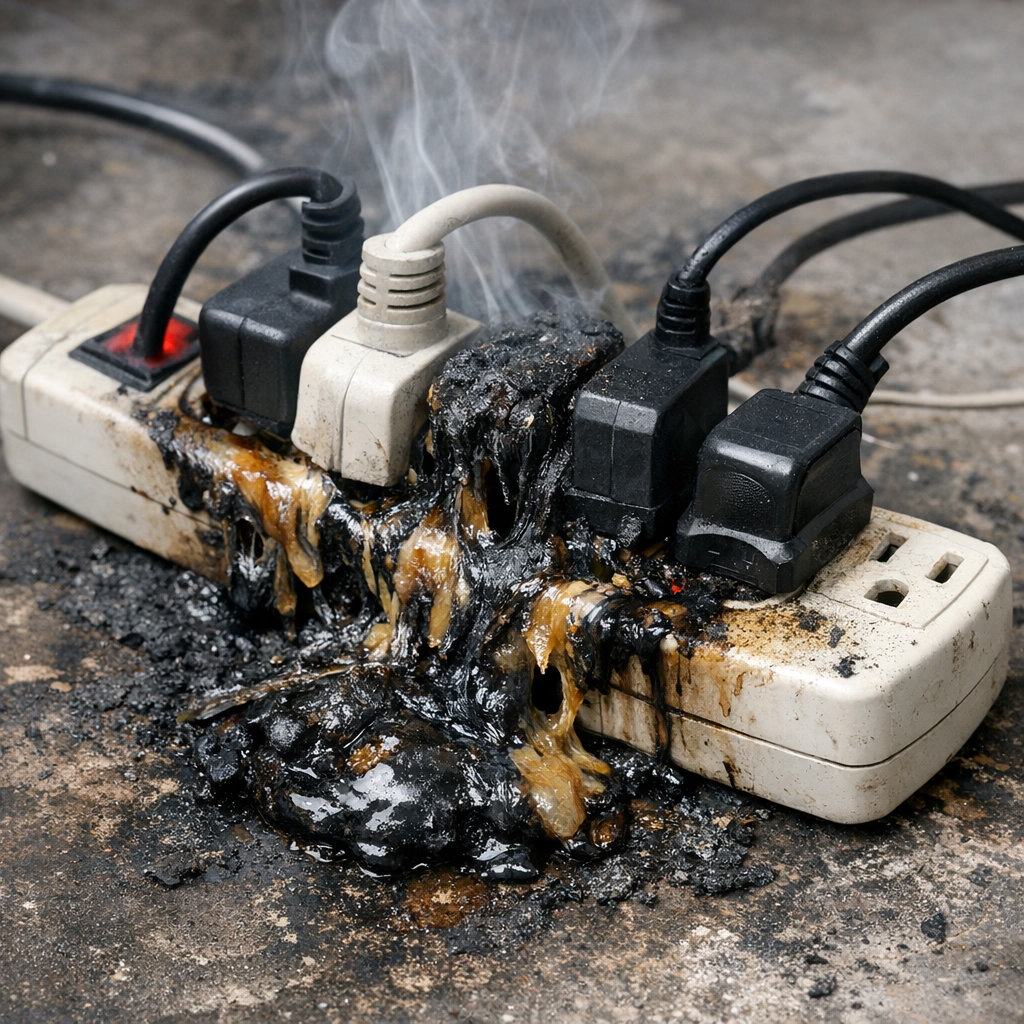
Dangerous Devices Extension Cords: Overload in Plain Terms
Think of a cord as a hose for power. A small hose can water a pot on the deck. It will struggle if you try to run the whole lawn at once. Power works the same way. When too many watts move through a cord that was built for less, the metal inside heats up. The plastic jacket can soften. Bare wire can touch carpet or dust.
A plain indoor cord might list a cap near 1,625 watts. One space heater often asks for 1,500 to 2,000 watts. That gap is why dangerous devices extension cords show up in winter fire stats. One heater on a light cord leaves almost no spare room. A second small load can push the cord past a safe heat level.
How to read the label
The package or tag lists wire gauge and length. A lower gauge number means thicker wire inside, which can carry more amps. A shorter cord of the same gauge runs cooler than a long one. Match both to the job. If the numbers feel tight against your device tag, use the wall outlet and skip the cord.
Dangerous Devices Extension Cords: A Quick Wattage Check
You do not need a meter to get a rough answer. The steps below help you spot dangerous devices extension cords before you smell hot plastic.
1. Find watts (W) on each device label or manual.
2. Add watts for everything sharing one cord or strip.
3. If the total is above the cord’s printed limit, unplug something.
4. For high-draw items, plug each one straight into the wall when you can.
A 1,500 W heater on a 1,625 W cord leaves almost no headroom. Even a small lamp on the same cord can tip you into overload. When the math is that close, treat the cord as the wrong tool.
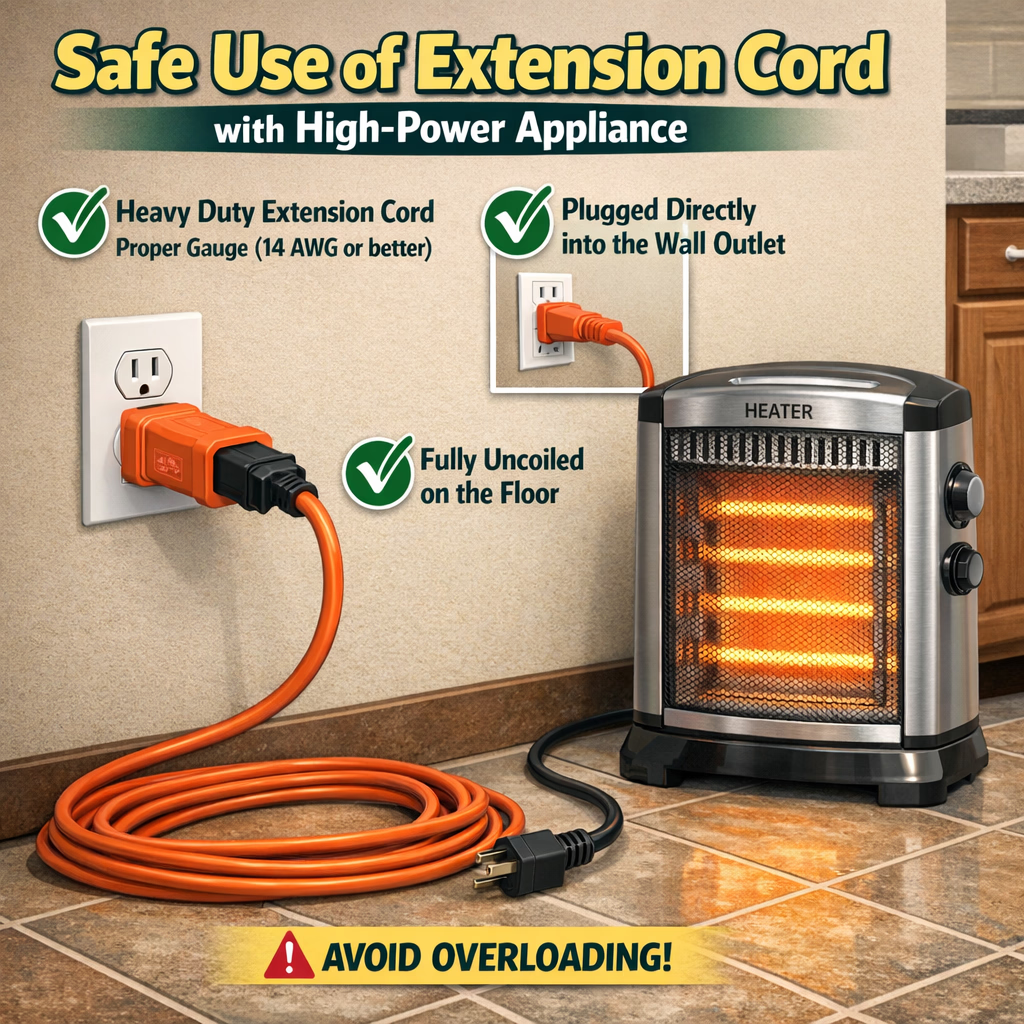
Which Gear Makes Dangerous Devices Extension Cords Likely?
Some items belong on a wall outlet almost every time. The table sums up why dangerous devices extension cords fail so often with these loads.
| Device | Why it strains a cord | Safer first step |
|---|---|---|
| Space heater | Steady high watts | Wall outlet only; no daisy chains |
| Window A/C | Startup surge plus run load | Dedicated circuit outlet from the installer |
| Fridge / freezer | Runs for hours; motor spikes | Direct wall plug; add outlets if needed |
| Microwave | Short bursts of very high draw | Counter outlet rated for the unit |
| Toaster / toaster oven | Heat plus high watts | Kitchen branch circuit outlet |
| Hair dryer / heat tools | High watts in small cords | Bathroom GFCI wall outlet |
| Electric kettle | Fast heat = big amps | Kitchen outlet with headroom |
Anything that gets hot while it runs should get a wall plug first. If you live on extension cords every day, book a licensed electrician to add outlets where you cook, cool, and dry your hair.
The top seven to keep off extension cords
Lists vary by house and code, but these seven drive most dangerous devices extension cords trouble reports:
- Space heaters: They run for hours and sit near the cord’s watt cap. Use the wall in nearly all cases.
- Air conditioners: They need steady power and can spike when the compressor starts. The installer should match breaker and outlet to the unit.
- Refrigerators and freezers: They cycle for years. A weak cord can age, crack, and spark where you cannot see it.
- Microwaves: They pull hard for minutes at a time. Put them on a kitchen outlet that matches the nameplate.
- Toasters and toaster ovens: They pair heat with high draw. Skip the cord when you can.
- Hair dryers and curling irons: They spike fast on thin cords. A GFCI wall outlet in the bath is the right home.
- Electric kettles: They ramp watts to boil water fast. That rush can overheat a light-duty reel.
If you must use a cord, pick a short, heavy-gauge model rated above your device tag. Dangerous devices extension cords still happen when cords hide under rugs or when two cords plug into each other in a chain.
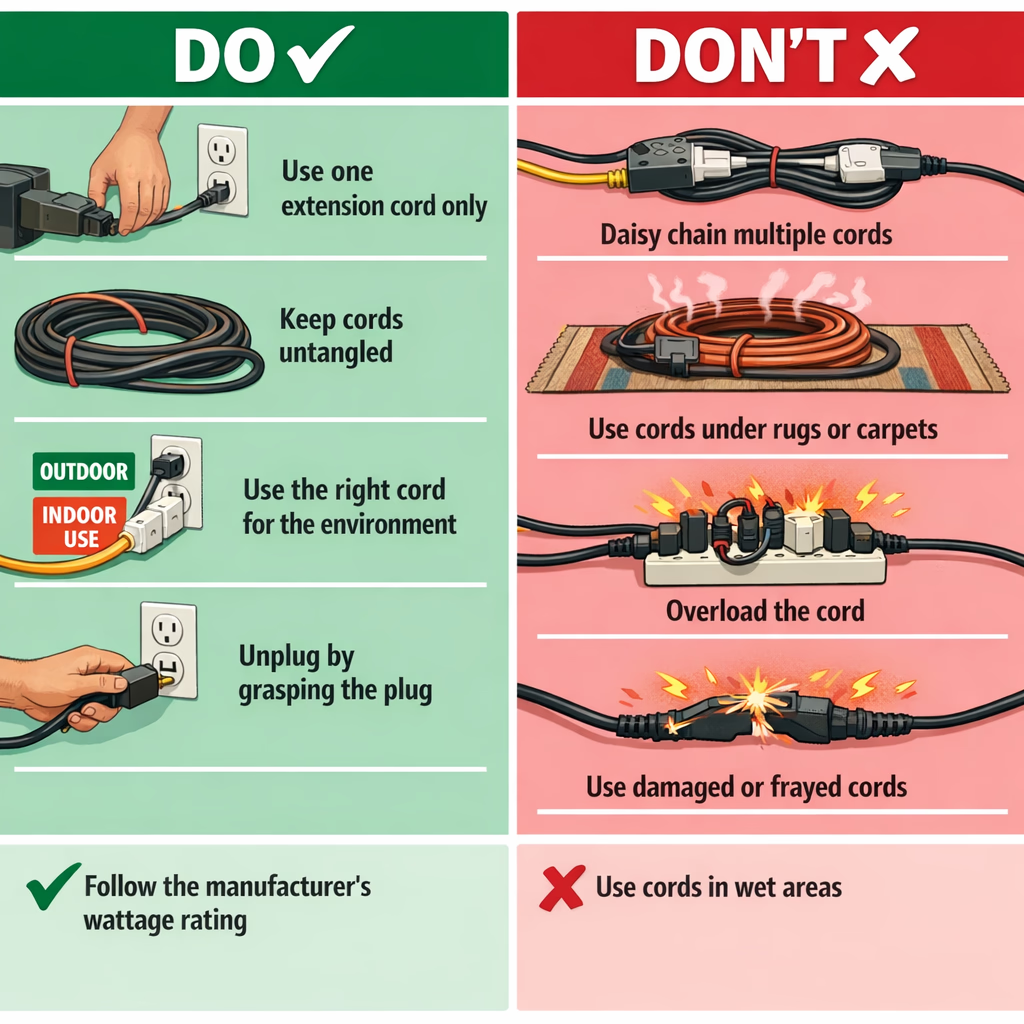
Signs You Might Be Headed Toward Dangerous Devices Extension Cords
Problems often show up before you see smoke. Learn the early signs so you can unplug and change the setup.
The cord feels warm or soft near the plug or along its length. Plastic should stay cool at normal loads. A breaker that trips when you turn on a heater plus something else is telling you the circuit or cord path is stressed. Lights that dim when a motor starts can mean voltage drop on a long or thin path. That is not always a cord issue, but it is still a reason to check the full chain.
A sharp or sweet hot smell near a strip or cord means stop. Unplug the load at the wall if you can do it safely. Do not keep using that cord until you replace it or change the layout. Sparking at the plug is an emergency stop: cut power at the breaker if needed, then call a pro.
Indoor Cords, Outdoor Cords, and Amps
Not every cord belongs outside. Outdoor models use jackets that stand up to sun, cold, and moisture. Indoor jackets can crack outside and expose wire faster. That wear feeds dangerous devices extension cords stories after one season on a deck.
Look for amps (A) or watts on the cord tag. Your device nameplate lists what it draws. The cord’s number should beat the device need with room to spare. When you run two or more items on one cord, add their draws the same way you add watts in the checklist above.
Keep outdoor runs as short as the job allows. Long cords act like a longer, thinner path for power. Heat goes up. Coil extra length loosely instead of stacking tight loops that trap heat.
Daily Habits That Cut Dangerous Devices Extension Cords Risk
Simple habits lower risk over time. Once a season, walk the house and look at cords and plugs. Touch plugs only with dry hands and with loads turned off.
Inspect before you plug in. Look for cracks, flat spots, or green copper at the ends. Replace any cord that feels stiff or smells odd. Tape is not a fix, so retire the cord. Catching wear early keeps small flaws from growing into dangerous devices extension cords risk in busy rooms.
Pick length and gauge on purpose. Shorter runs stay cooler. Buy the shortest cord that still reaches. Read the package amp or watt cap and keep totals under it.
Ban daisy chains. One cord plugged into another adds resistance. Heat builds at the joins. Setups with dangerous devices extension cords often include chained reels, so break that habit.
Keep cords cool and visible. Rugs and furniture trap heat. Foot traffic frays jackets. Run cords along walls without pinching them under doors or chair legs.
Store coils loosely. Tight kinks stress copper. Damp basements corrode plugs. Coil cords in a dry bin when you store them.

Surge Strips, Power Strips, and Wall Power
A surge strip with a breaker can help TVs, game gear, and small office loads. It does not turn a light cord into a heater cord. A power strip is not a magic fix for amps. Never treat a strip like a heavy appliance feeder unless the strip’s tag says it is built for that load.
Even a costly strip cannot fix dangerous devices extension cords when the appliance still draws more watts than the cord or strip allows. Read both tags. When they disagree, trust the lower safe number.
If you need cords in many rooms year-round, you likely need more outlets. Hire a licensed electrician to add boxes where you work and sleep. A pro can map loads so dangerous devices extension cords stop being your backup plan.
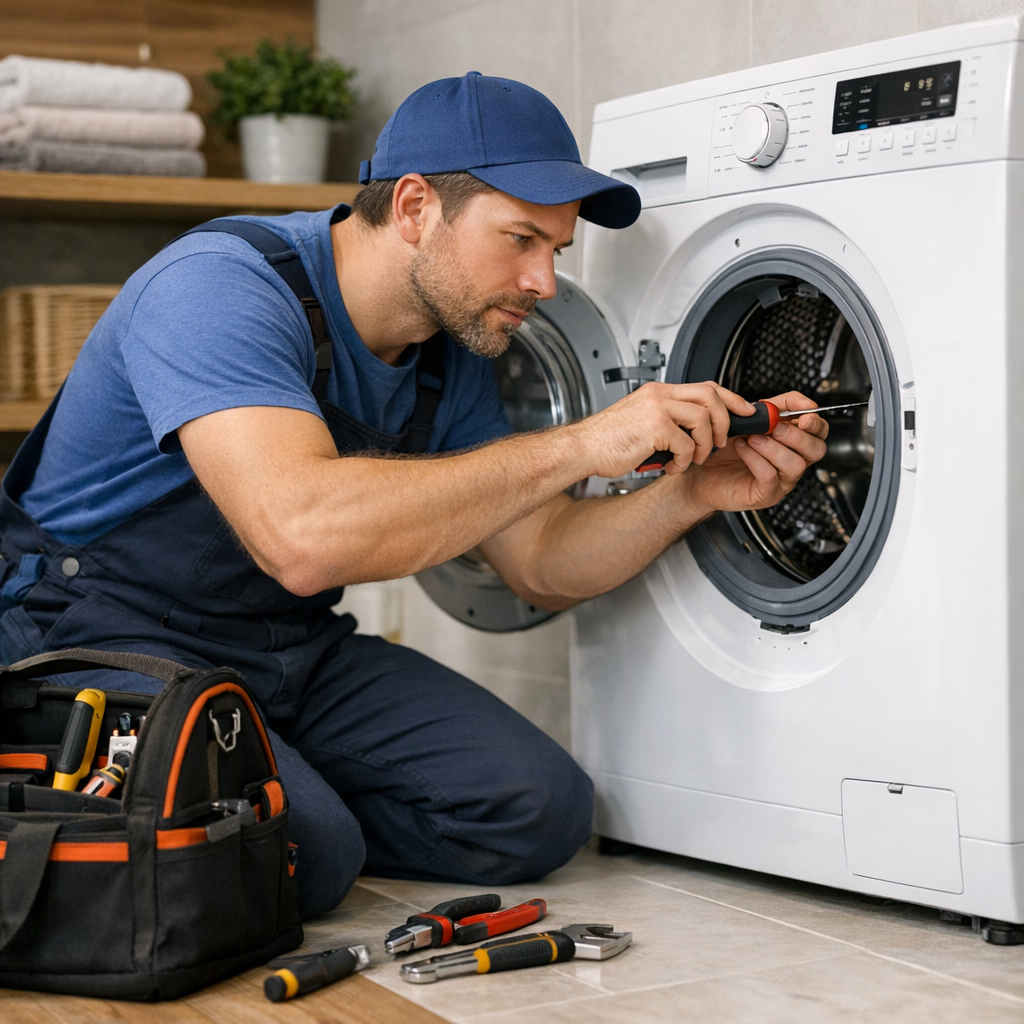
GFCI Outlets in Kitchens and Baths
GFCI outlets trip fast when current leaks where it should not, for example through water or a person. That trip can save a life. Heat tools and small kitchen loads belong on GFCI outlets in wet zones. Plugging those tools into a random indoor extension can skip that protection path if the cord or strip is not built and placed the right way.
If you are not sure, use the GFCI wall outlet. If the test button fails, call an electrician before you rely on that spot for anything wet.
Teach Everyone at Home About Dangerous Devices Extension Cords
Kids and guests plug things in too. Post a short rule on the fridge: high-heat items and big motors use the wall. Ask people to report warm cords or breaker trips right away.
Share the MSN guide on extension cord hazards so the “why” sticks. At dinner, say dangerous devices extension cords in plain words once in a while. Short chats beat a long lecture. The goal is habit, not fear.
“Safety doesn’t happen by accident. It takes clear rules and quick fixes when something feels wrong.”
Renters, Roommates, and Cord Rules
Renters cannot always add outlets overnight. You can still cut risk. Keep a written list of which items never use a cord. Split high-draw loads across circuits when you know which rooms map to which breakers. Ask your landlord or super for a simple map if you are unsure.
Roommates should agree on one rule: no heaters or kitchen heat tools on light reels. Dangerous devices extension cords cluster in shared flats because everyone adds one more plug. A quick group text before cold weather returns can get everyone on the same page.
Keep Dangerous Devices Extension Cords Apart
Dangerous devices extension cords spark fires when watts outrun wire size. Plug heavy items straight into the wall. Add outlets if cords are your daily crutch.
Inspect cords often. Ban daisy chains. Match gauge to load, and when you are unsure pick the shorter, thicker cord, or skip the cord.
Recap
- Wall first for heat and motors: Heaters, kitchens, baths, and cooling gear need the right outlet.
- Know your totals: Add watts and stay under the cord cap to dodge dangerous devices extension cords overload.
- Replace damage fast: Frayed jackets and hot plugs mean stop using the cord now.
- Share the rules: Teach everyone which items never belong on a light reel.
Dangerous devices extension cords are easy to avoid once you match load to wire and outlet. Keep checking labels as you add or move appliances, and leave high-draw gear on the right wall outlets.
“Prevention beats repair. Small outlet upgrades now can remove years of hidden cord risk.”
For more detail, revisit MSN’s extension cord safety piece and keep dangerous devices extension cords out of your routine.