


Your home runs on appliances. When one fails, stress rises fast. A trusted appliances repair service helps you act quickly, control costs, and avoid waste. However, not every breakdown means a full replacement. With the right plan, you can save money and keep your home comfortable.
Why Appliances Repair Service Often Beats Replacement
Many families replace too soon. That choice can cost hundreds or even thousands of dollars. In contrast, a skilled appliances repair service can fix common problems in one visit. Therefore, repair is often the first step to consider.
A good rule is simple. If repair costs less than half of a similar new unit, repair is usually smarter. Additionally, if the unit is under warranty, repair is often the clear winner. Moreover, a repaired unit avoids delivery fees, disposal fees, and setup time.
Another reason is energy use. Older appliances can cost more to run, but some still perform well after a targeted fix. For example, replacing a worn door seal on a fridge can restore cooling and reduce power waste. Likewise, cleaning blocked dishwasher spray arms can improve wash quality without buying new equipment.
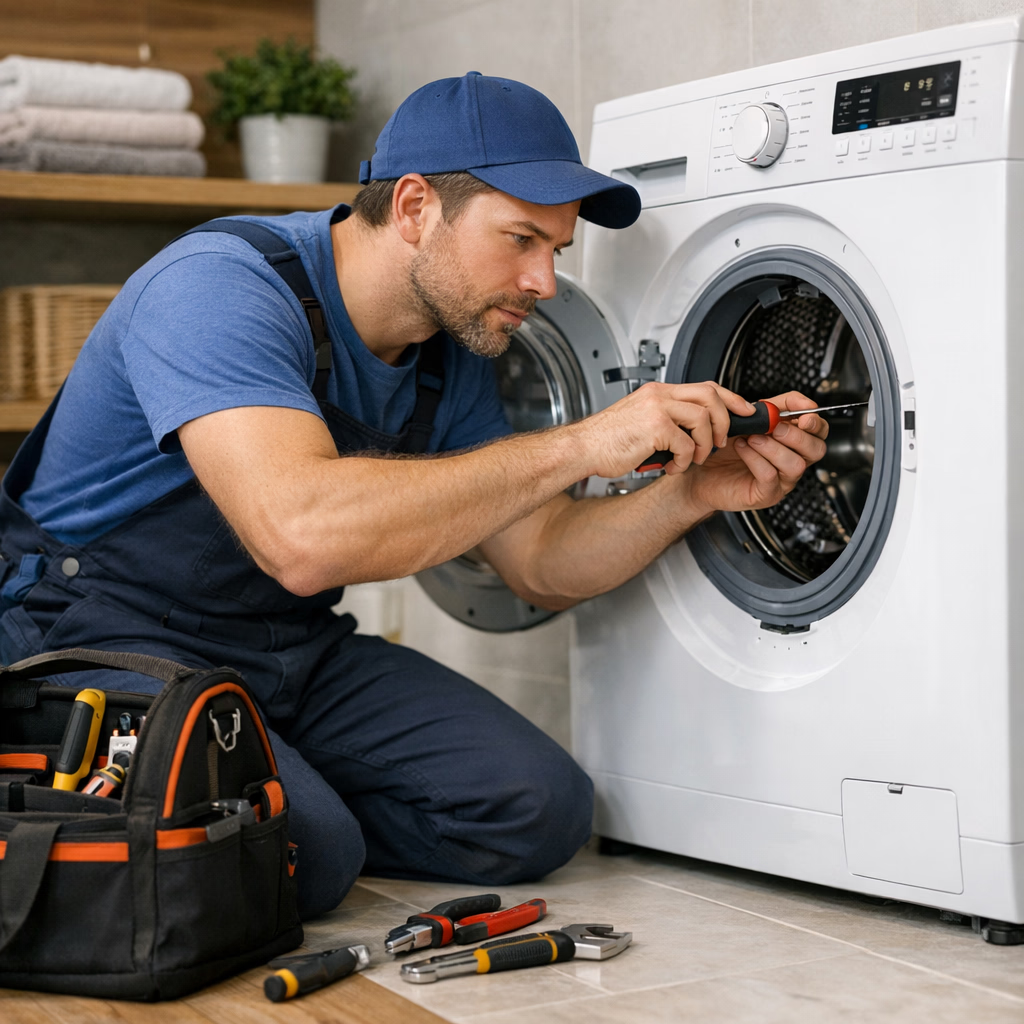
Quick Repair-or-Replace Checklist
Use this short checklist before you decide:
- Age of the appliance: Most major units last 10 to 15 years.
- Repair cost today: Ask for a written estimate from an appliances repair service.
- Expected life after repair: A quality fix should give clear added life.
- Safety concerns: Gas leaks, smoke, or electrical burning smells need immediate action.
- Energy bills: Compare monthly running costs after a repair versus a new unit.
- Parts availability: If key parts are unavailable, replacement may be safer.
If three or more points favor repair, start with repair. If three or more points favor replacement, compare new models and financing options.
Appliance Lifespan and Typical Decisions
Each appliance has its own pattern. Therefore, your decision should be appliance-specific.
Refrigerators
Most refrigerators last around 13 years. If the compressor is healthy and the cabinet seals well, an appliances repair service can often fix fans, thermostats, or sensors at a reasonable cost. However, if the sealed system fails on an old unit, replacement may make more sense.
Dishwashers
Dishwashers often last 9 to 12 years. Additionally, many problems are simple. A drain issue, latch issue, or inlet valve issue can often be repaired quickly. If leaks damage flooring, act fast and call an appliances repair service the same day.
Ovens and Ranges
Electric and gas ranges can run for 13 to 15 years. Igniter failure, burner issues, and control board faults are common and often repairable. However, any gas smell or ignition delay is a safety issue. In that case, stop use and call a licensed appliances repair service at once.
Washers and Dryers
Laundry units can last 10 to 14 years with good care. Belts, pumps, and rollers are routine repairs. Therefore, repair is often cost-effective unless the drum, motor, or frame is badly worn.
Real Cost Breakdown: Repair vs Replacement
Let us make this practical. Here is a simple way to compare options:
- Repair total cost: Service call + parts + labor + tax.
- Replacement total cost: Unit price + delivery + install + haul-away + permit (if needed).
- Operating cost: Expected yearly energy and water use.
- Time cost: Days without the appliance.
Now score each item from 1 (low) to 5 (high). In many cases, repair wins on total cost and time. Furthermore, replacement may win only when repair is expensive and life extension is short.
A trusted appliances repair service should explain this trade-off clearly. If a provider refuses to discuss options, that is a warning sign.
Energy Efficiency: Facts That Matter
Energy use should guide your decision, but only with reliable sources. For example, the U.S. Department of Energy explains practical laundry savings in its Laundry guide. Likewise, ENERGY STAR shares savings details for efficient washers in its clothes washer resource.
These sources show that usage habits matter a lot. Therefore, you can lower bills even before buying new equipment:
- Wash full loads when possible.
- Use cold water for most loads.
- Clean lint filters every cycle.
- Keep fridge coils clean.
- Run dishwashers on eco mode when appropriate.
A local appliances repair service can also tune your unit to run closer to spec. That tune-up can improve performance and reduce strain.
Safety and Compliance Basics
Repair is not only about savings. It is also about safety. Faulty wiring, damaged gas lines, and overheating parts can create serious risk. Consequently, you should never ignore sparks, smoke, or repeated breaker trips.
For home electrical safety guidance, review the U.S. Consumer Product Safety Commission page on electrical safety. Then share any warning signs with your appliances repair service before the visit. This helps technicians bring the right parts and safety gear.
How to Choose an Appliances Repair Service
Not all providers are equal. Therefore, choosing the right appliances repair service is a major part of saving money long term.
What to check first
- License and insurance: Confirm current status.
- Brand experience: Ask which brands they service most.
- Parts policy: Check whether they use OEM or high-quality equivalent parts.
- Warranty: Get labor and parts warranty in writing.
- Response time: Ask for realistic arrival windows.
- Clear pricing: Prefer flat diagnostic fees and written estimates.
Questions to ask before booking
- What is the diagnostic fee?
- Is that fee applied to repair if approved?
- Do you offer same-day service?
- What warranty do you provide?
- Can you share recent reviews?
- Do you handle follow-up if the same issue returns?
Additionally, read reviews for details, not just star ratings. Look for comments about punctuality, communication, and repeat fixes.

First Paragraph to Final Invoice: A Smart Process
A good appliances repair service should follow a clean process. This keeps costs and surprises low.
- Intake call: You describe the issue and model number.
- Diagnosis: Technician identifies root cause.
- Estimate: You receive a clear parts and labor quote.
- Decision: You approve repair or decline.
- Repair: Work is completed and tested.
- Documentation: You receive notes and warranty details.
Therefore, keep your own records too. Save invoices, model numbers, and part names. Later, this history helps with warranty claims and faster diagnosis.
Common Problems and Simple Fix Ranges
Exact prices vary by region, model, and part supply. Still, these ranges can guide planning:
| Appliance | Common issue | Typical fix path |
|---|---|---|
| Refrigerator | Not cooling evenly | Fan, thermostat, or seal check |
| Dishwasher | Not draining | Filter, pump, or drain line check |
| Oven | Not heating | Igniter or element replacement |
| Washer | Not spinning | Belt, lid switch, or pump repair |
| Dryer | No heat | Thermal fuse, element, or vent cleaning |
A reliable appliances repair service will confirm exact cost after diagnosis. However, asking for a range during intake is still useful.
Maintenance Habits That Prevent Expensive Repairs
Prevention is cheaper than emergency repair. Moreover, small habits can add years of life.
Refrigerator care
- Vacuum condenser coils every 6 months.
- Keep door gaskets clean and sealed.
- Avoid overfilling air vents.
Dishwasher care
- Clean filters weekly.
- Check spray arms for blockage.
- Run a cleaning cycle monthly.
Oven and range care
- Wipe spills quickly after cool-down.
- Check burner flame color on gas units.
- Replace damaged knobs or controls early.
Washer and dryer care
- Do not overload drums.
- Clean washer gasket and detergent tray.
- Clear dryer lint after every load.
- Inspect dryer vent path regularly.
Additionally, schedule annual inspection with an appliances repair service for high-use homes. This is especially helpful for large families or rental properties.
Environmental Impact: Why Repair Supports Sustainability
Repair choices affect more than your monthly bill. They also affect waste and resource use. Therefore, when a safe repair is possible, it often has lower environmental impact than full replacement.
An appliances repair service extends product life and delays disposal. Consequently, fewer units reach landfills each year. Furthermore, keeping current units running can reduce demand for new manufacturing in the short term.
That said, replacement can still be the greener option in some cases. For example, a very old, inefficient unit may consume far more water or power. In that case, compare expected utility savings over five years against the embodied impact of a new product.
Budget Planning for Homeowners
Unexpected breakdowns hurt most when there is no plan. So build a simple appliance budget.
Suggested plan
- Set aside a monthly home maintenance amount.
- Keep a separate emergency repair fund.
- Track each major appliance purchase date.
- Plan likely replacement windows by age.
Also, ask your appliances repair service if they offer seasonal tune-up plans. These plans can reduce emergency calls and smooth annual costs.
Signs You Should Replace Instead of Repair
Repair is often smart, but not always. Replace when:
- Repair cost is high and expected life gain is low.
- Safety risks remain after repair.
- Parts are discontinued.
- Multiple major components fail in short order.
- Energy and water use are far above modern standards.
Even then, a final opinion from an independent appliances repair service can prevent premature replacement.
Landlord and Property Manager Considerations
If you manage rentals, downtime affects tenants and reviews. Therefore, speed and consistency matter.
Use one trusted appliances repair service across properties when possible. This improves record keeping and part tracking. Additionally, create standard approval limits so urgent fixes do not wait for long email chains.
For example, you might pre-approve repairs under a set amount. Above that amount, request two quotes. This balanced approach controls cost while protecting tenant experience.
Homeowner Case Example (Simple Scenario)
A family has a 9-year-old dishwasher with poor cleaning and occasional standing water. A new unit plus install and haul-away is expensive. They call an appliances repair service for diagnosis.
The tech finds a clogged filter, worn pump, and bent spray arm. The quoted repair is far lower than replacement. After repair, wash quality improves and noise drops. Therefore, the family delays replacement by several years and avoids immediate large spending.
This type of outcome is common when diagnosis is accurate and the machine is not near end of life.
Communication Tips That Improve Repair Results
Before the visit:
- Share full model and serial numbers.
- Describe error codes exactly.
- Note when the issue started.
- Mention noises, smells, or leaks.
- Send photos if requested.
During the visit:
- Ask what failed and why.
- Ask which maintenance step can prevent repeat failure.
- Ask what signs to watch next.
After the visit:
- Save the invoice and warranty.
- Set reminder dates for maintenance.
- Track performance for 30 days.
These habits help your appliances repair service deliver better outcomes and fewer return visits.
Frequently Asked Questions
How fast should I book service after a breakdown?
Book as soon as you notice repeat failure. Small issues can become larger problems in days. For example, a slow leak can damage floors and cabinets. Therefore, quick action usually lowers total cost. A prompt appliances repair service visit also reduces downtime in busy homes.
Is preventive service worth paying for?
In many homes, yes. Preventive visits catch wear before full failure. Additionally, technicians can tune settings and clean hidden parts. That often improves performance and energy use. Over time, this can reduce emergency calls and surprise expenses. Ask your appliances repair service for a yearly checklist based on your models.
Should I repair if I plan to sell my home soon?
Usually, yes, if the repair is affordable. Working appliances support buyer confidence during showings. Moreover, documented service records show responsible ownership. In contrast, broken appliances can trigger price cuts or repair credits at closing.
Can I do some fixes myself?
You can handle basic cleaning and filter care. However, gas, electrical, and sealed-system work should be left to professionals. Safety comes first. When in doubt, call an appliances repair service and explain the exact symptom.
What documents should I keep?
Keep purchase receipts, warranty cards, and all repair invoices. Also save model and serial numbers in one note on your phone. Consequently, future service calls become faster and more accurate.
Conclusion: Make the Practical Choice
A thoughtful repair decision protects your wallet, your time, and your home. In many cases, appliances repair service is the fastest and most cost-effective path. However, replacement is still right for unsafe, obsolete, or severely worn units.
Start with data, not guesswork. Compare repair cost, expected life gain, safety, and energy use. Then choose the option that gives the best total value. With a reliable appliances repair service and simple maintenance habits, you can keep appliances working longer and reduce avoidable costs year after year.